
While boosters promise order and protection for Olympic sports, player advocates warn the Senate's new limits strip athletes of their bargaining power.
Cody Campbell backs federal limits on school-linked athlete pay while he helped Texas Tech spend aggressively on players. On Monday night, Sept. 28, the Senate passed the Protect College Sports Act 77-22. Saving College Sports, the group the Texas Tech megabooster founded, backs the bill with a $10 million advertising campaign featuring Nick Saban and Deion Sanders. His program’s spending makes him more than a spectator in this fight over what athletes can earn. The question behind his support is who gains when a donor in the player market helps secure a federal ceiling.
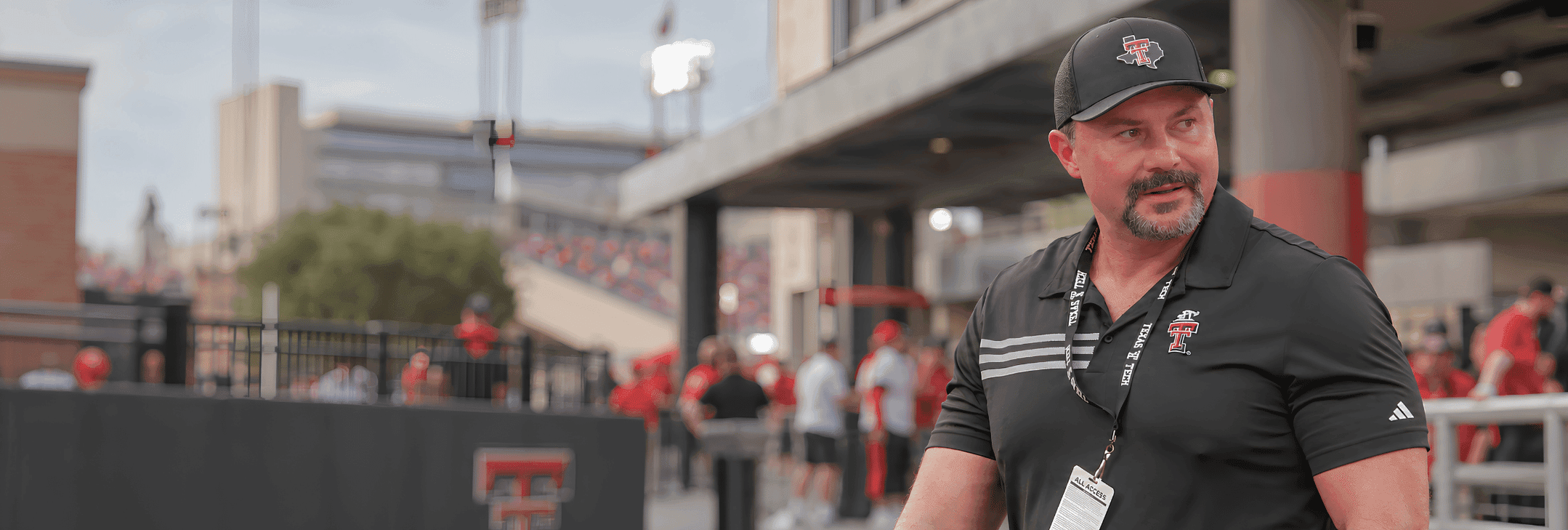
If you’re not too familiar with Big 12 football, Campbell’s resume might sound like something a Hollywood writer would cut for being too Texan. A former Texas Tech offensive lineman, he chairs the university system’s Board of Regents and co-founded the Marador Club, its athlete-payment collective. A Double Eagle transaction with Diamondback Energy valued at $4.08 billion helps explain the resources behind his ambitions. Campbell told the Houston Chronicle in October 2025 that Tech athletes received $55 million across all sports.
How Campbell’s group financed the push
Campbell founded Saving College Sports in February 2025. OpenSecrets reports $820,000 in federal lobbying since its formation, including $190,000 during the second quarter of 2026. The figures cover college sports lobbying, rather than this bill alone. The organization operates as a 501(c)(4) nonprofit and does not publicly identify all its donors. Its attorney declined to name them to OpenSecrets, preventing a complete accounting of Campbell’s personal share.
The lobbying happens in quiet offices, but the ads reach Saturday afternoons, between third-down replays and beer commercials. Front Office Sorts reports neither Saban nor Sanders received payment for appearing. Saban tells viewers: “The Protect College Sports Act ends the NIL chaos in college athletics by protecting our student-athletes and teams and safeguarding women's sports and Olympic programs.” Chaos does considerable work here, packing lawsuits, transfer disputes and conflicting state rules into one word. The commercial promises order; the legislation requires more explanation.
What the bill would let schools pay
Congress is building on rules shaped by court fights. The NCAA opened the door to NIL (name, image, and likeness) earnings in 2021, and a judge’s June 2025 approval of the House settlement then allowed participating schools to share revenue with athletes, starting with a $20.5 million annual cap. For 2026-27, that limit stands at $21.58 million. The Senate bill would give it federal backing, but would also let schools spend more if they meet certain conditions.
For instance, schools could pay up to $22.5 million more each year to retain athletes who complete at least one competitive season there. Schools must meet graduation and academic progress standards to qualify, and this allowance lasts nine years. They could also add up to $5 million, based on how much they pay athletes in sports earning little revenue, including women’s and Olympic programs. Together, the three buckets reach $49.08 million at today’s base cap. In other words, schools would have permission to spend more, without a requirement to find another $27.5 million.
However, the limit also depends on who pays the athlete. Schools and their associated groups (including collectives and certain boosters) could not use outside deals to dodge the limit. A real shoe endorsement could still sit outside it if the deal serves a business purpose and pays a fair market rate. But paying a quarterback chiefly to keep him on campus would face different scrutiny.
Who gains from the spending limits?
Consider how Texas Tech keeps its softball star. In July 2024, Stanford ace NiJaree Canady moved to Lubbock with a Matador Club deal worth around $1,050,024: It’s actually $1 million in pay, $50,000 for living expenses, and $24 for her jersey number (even the loose change has a purpose). After pitching Tech into the 2025 Women’s College World Series finals, she signed another seven-figure agreement for 2026. Her manager, Derrick Shelby, told ESPN, “The decision to stay at Tech was not difficult. This program has taken care of her.”
Keeping Canady after a season at Tech fits the retention allowance’s purpose. Whether a future deal qualifies would depend on who pays and how they structure it. School payments to softball players could also help qualify for the extra allowance for sports that bring in little revenue. So Campbell’s campaign reaches into the player market his collective helped him to build.
Still, comparing Tech’s reported $55 million wth the proposed ceiling does not reveal a simple spending cut, because the figures cover different payments and the cap changes. The question therefore is, how much booster money would face these limits. For donors, a ceiling could make costs easier to plan and reduce pressure to outbid rivals. But athletes could lose bargaining power when competing schools have less room to raise their offers.
Why supporters want protections for other sports
For many athletes, though, the concern is whether their team survives. Cal Poly cut men’s and women’s swimming and diving in 2025, affecting 58 athletes, and a fundraising effort failed to bring them back. Cantwell’s office counts more than 100 women’s and Olympic programs cut since 2023. Those losses matter beyond campus as well, given that 184 of 257 American medalists in Paris had NCAA ties, according to AP. When schools cut teams, they also weaken a training ground for future Olympians.
Sen. Maria Cantwell (D-Wash.), the bill’s Democratic co-author, argues that sports earning little money bear the cost of rising spending elsewhere. Before the Senate vote, she said: “The number one person paying the bill is a hundred programs and a thousand women and Olympic athletes because they don't make money, so the easiest way to save money in an institution is to cut them right now. And so we are trying to stop that.” So the bill generally requires schools with at least $80 million in athletic revenue to keep total non-revenue roster spots and scholarship opportunities at 2024-25 levels for nine years, although waivers allow exceptions.
Why player advocates oppose the limits
Protecting teams, however, comes with rules that some athletes oppose. The bill offers limited protection from antitrust lawsuits challenging certain pay, transfer, and eligibility rules, making those limits easier to enforce. Professional leagues commonly negotiate restrictions with players’ unions, but college athletes have no nationwide union or bargaining agreement. Meanwhile, the bill would generally let athletes transfer once without sitting out, with exceptions when coaches leave. Critics therefore question why Congress should give schools these powers without athletes negotiating the terms.
Jason Stahl, executive director of the CFPA (College Football Players Association), told Fox Sports before the vote: “This is a bill being made without athletes' input, and it reads like that. It reads like all the restrictions laid out in the bill are almost exclusively put on athletes and not on coaches and administrators. There's no restriction of their movement, no restriction on their salaries, but there are with players.” The bill does restrict certain midseason football coaching moves, which qualifies his comparison. Even so, his argument about athletes having little say remains central to the opposition.
Sen. Cory Booker (D-N.J.), a former Stanford player, objects over athlete rights and NCAA accountability, while Sen. Chris Murphy (D-Conn.) questions who keeps the money. On a Sept. 14 call with reporters, Murphy said: “This bill protects the billions of dollars that coaches and sports industry executives are making over the suppression of compensation for some of the most highly valued athletes in the world.” Their concern brings the debate back to Campbell’s campaign and who benefits when Congress sets limits that a