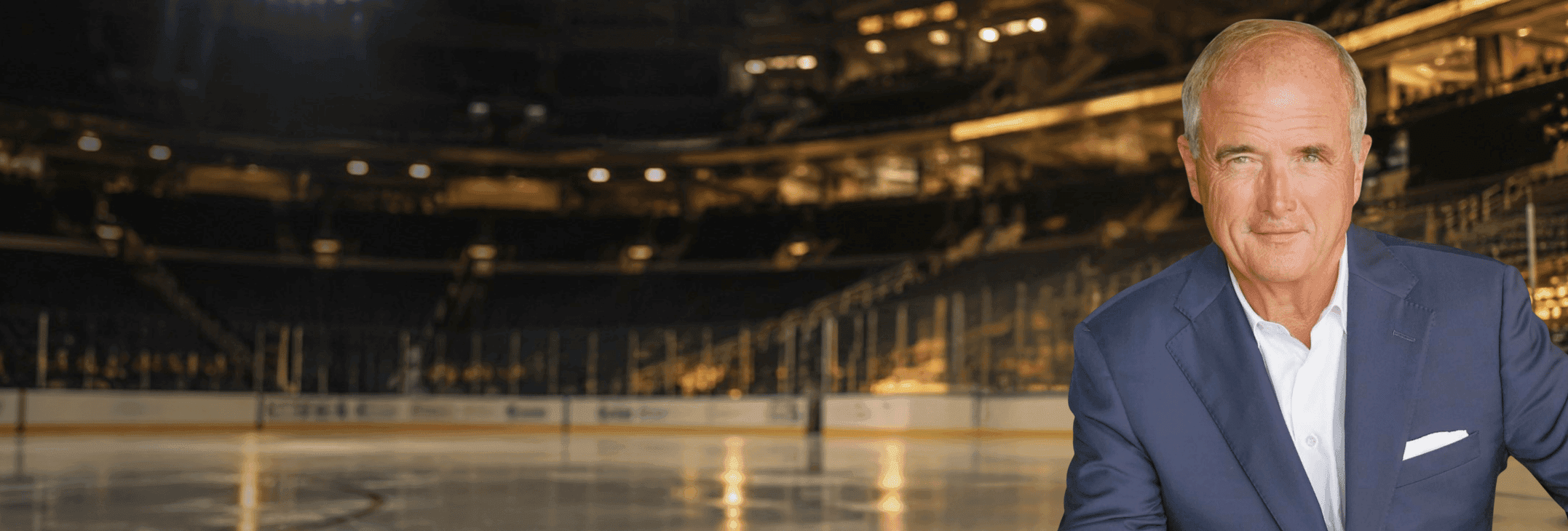

Fenway retains a role in the Penguins’ broadcast business as the Hoffmann family weighs the future of SportsNet Pittsburgh.
When Pittsburgh opened its home schedule against Montreal on October 3, Penguins fans could find the game on SportsNet Pittsburgh, with familiar voices calling the action. The ownership change behind those pictures was a bit more tangled. Fenway Sports Group (FSG) had sold control of the team to the Hoffmann family, yet Fenway-controlled NESN (New England Sports Network) still ran the broadcast operation. The seller handed over the franchise while keeping a key role in the day-to-day broadcasting business.
The reported $1.7 billion deal included the Penguins’ interest in SportsNet Pittsburgh, which the club shares with the Pirates. So, the Hoffmanns own part of their T.V home while another company operates it. Keeping that arrangement can buy time and continuity, but it also means improving the team’s business requires working with partners who care about more than just hockey.
The Pirates have a stake too
The shared arrangement grew out of another owner's retreat. When Warner Bros. Discovery withdrew from regional sports television, the Penguins announced their takeover of AT&T SportsNet Pittsburgh in August 2023, renamed it and appointed NESN as operator. The Pirates joined as co-owners in January 2024. Taking ownership gave the clubs a way to protect access to their games, along with responsibility for a business exposed to shrinking cable subscriptions.
For the Hoffmanns, the Pirates make any television overhaul a joint business discussion. Neither team has said who owns how much or who make the final decisions, so we don’t really know who gets to pick the next operator. Baseball also covers the months when hockey is in the offseason, keeping the network running with live content all year round. Any backup plan has to work for both baseball and hockey fans.
Coverage continues through that uncertainty. SportsNet Pittsburgh lists 67 Penguins games this season, while the team separately lists 20 national appearances, so you can’t just combine those two numbers. Eligible local viewers can stream through SNP 360 for $99.99 every six months, renewing automatically unless canceled. Pittsburgh therefore has a direct subscription business to evaluate alongside its cable distribution; changing platforms would mean weighing what happens to those customers.
Fenway found a buyer and kept working
The way this deal came together makes perfect sense if you look at how things changed. Fenway started out just looking for a minority partner, but everything flipped when the Hoffmanns came to the table. When the deal was announced December 19 2025, FSG CEO Sam Kennedy explained why they decided to take the family seriously.
“During a formal process to explore investor interest in the Pittsburgh Penguins, we were approached by the Hoffmann family with an offer that warranted serious consideration. Kennedy said. “From our earliest conversations, their love of the sport and their commitment to doing things the right way made it clear they would be thoughtful stewards of the franchise, which is why we chose to seriously consider their interest,” he continued.
Under the deal, Fenway is sticking around with a temporary minority stake to help out with things like selling sponsorships and managing the TV network. This gives the new owners a safety net to keep making money while they learn the ropes, although the parties have not disclosed what those services cost.
But there was almost a completely different story here. Back during the team’s 1999 bankruptcy, Mario Lemieux traded the salary he was owed for an ownership stake, eventually teaming up with Ron Burkle in running the franchise before Fenway's roughly $900 million purchase in 2021. The Athletic reported renewed interest from Lemieux, Burkle and David Morehouse in 2025.
However, Elliotte Friedman later reported on 32 Thoughts that their number was well below Fenway's expectations. Public reporting does not establish a rejected binding offer. Geoff Hoffmann subsequently welcomed a possible role for Lemieux, leaving room for continuity without promising an appointment.
The price also deserves perspective. Reports put the transaction second among NHL sales, behind Tampa Bay's $1.8 billion deal; commissioner Gary Bettman used approximately $1.75 billion at June's approval. Sportico's September valuation matched that figure, placing Pittsburgh 26th, with league-low growth of 3%. A rising purchase price can coexist with slower growth than rival clubs. Bettman's description of Fenway doubling its investment also leaves financing, operating costs and retained equity outside the calculation.
The Hoffmanns know the arena business
David Hoffmann, the family patriarch and chairman, knows exactly how to run businesses that deal directly with the public every day. The company reports more than 200 acquired brands and properties and over 28,000 employees. His son Geoff leads its private-equity arm and serves as Penguins governor, while Greg runs real estate. With all that experience, it makes total sense why they kept a specialist around to run the TV side of things. Just because you buy a business doesn’t mean you have to fire the experts who already knows how to run it.
The family's 2019 purchase of the Florida Everblades and Hertz Arena offers a practical comparison. Plans for the 8,284-seat venue included upgraded suites, food service and video equipment. More events mean more chances to sell tickets and food. That same basic business rule works for any league, no matter how different their TV deal look.
Geoff outlined a similar ambition for PPG Paints Arena at the family's June 25 introduction, with upgrades intended to start within 12 to 18 months.
“We plan on touching pretty much every corner of the arena to make sure that it stays best-in-class,” Hoffmann said.
Development next door requires separate negotiations. The family claims the deal came with some land, but the Penguins actually lost their exclusive rights to the old 28-acre Civic Arena site back in October 2025. Local government agencies own that land now. Buying the franchise therefore gives the Hoffmanns opportunities to pursue, with approvals and agreements still shaping what they can deliver.
NESN has to earn its place
TV presents the same practical test (whether the existing arrangement produces enough value to justify its cost. Networks collect distributor fees and advertising income while paying for programming and production). Losing cable households can squeeze revenue, but replacing the operator also brings expense and distribution. A new owner will therefore have to know what a different operator would improve before taking on the cost of a change.
NESN has some evidence to offer. In Austin Karp's April 20 Sports Business Journal interview, president David Wisnia reported overhead across NESN and SportsNet Pittsburgh down 11% since 2024, with subscriber churn [customers leaving] down more than 50%. While those numbers point to lower costs and happier subscribers, they don’t actually tell us how much money Pittsburgh is making on its own, or what NESN is charging them.
In that same interview, Wisnia talked about the opportunity to produce broadcasts for other teams, making it clear that NESN is actively looking for more partners. “If there's an opportunity that makes sense for us, for them, we'll happily have those conversations,” Wisnia said.
Other clubs are trying alternatives. The September Prime Video agreement makes it the exclusive local streaming home for six NHL teams. Teaming up with a major streaming platform saves you from having to build your own app from scratch. But Pittsburgh still has to balance that against their current setup with SNP 360, traditional cable companies, and their deal with the Pirates. At the end of the day, it all comes down to who gives them the biggest audience and the most profit after expenses.
Geoff brought up that looming deadline at his June 25 press conference, noting they have about a year left on the NESN contract. The way he views the goal leaves the door open for almost anything.
```“As you know, it's a changing landscape in local broadcast media rights,” Hoffmann said. “But I can tell you we want to get our games broadcast and available in as many homes as people that would like to see it and want to make sure we do it in a way that is easy to access,” he continued.