
 1 / 4
 2 / 4
 3 / 4
 4 / 4
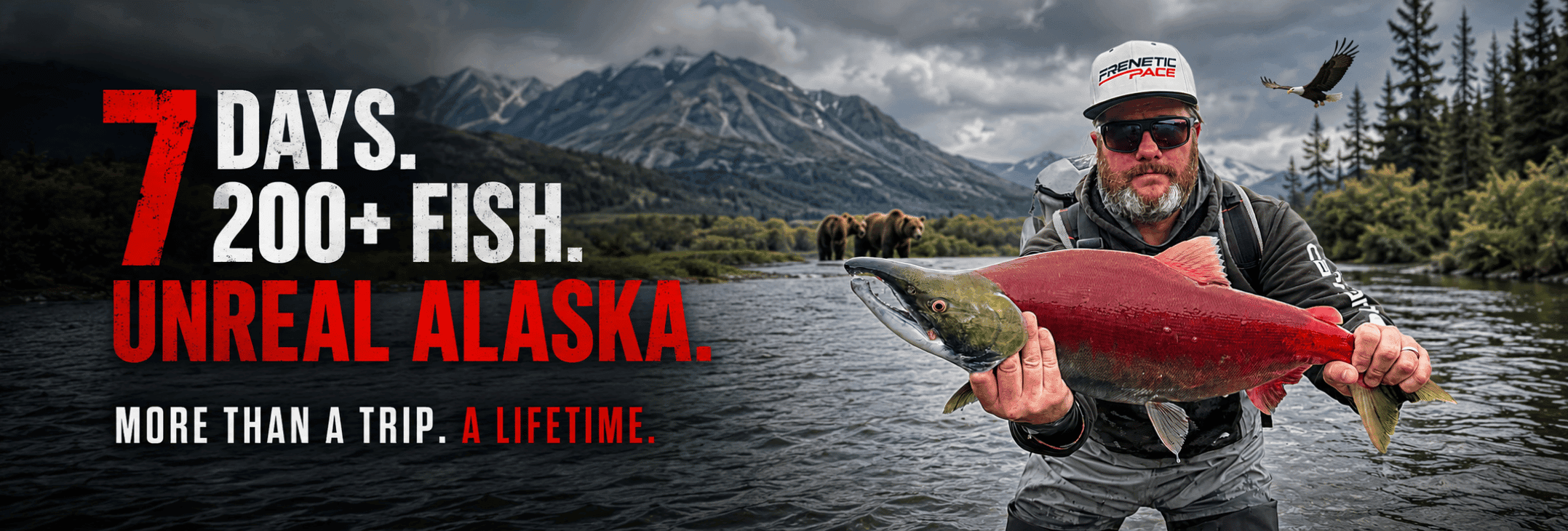
For most fishermen, catching 200 fish during a lifetime would be an accomplishment worth remembering.
For Stewart Beal, it happened in just seven days.
His adventure began in Detroit with a flight west to Seattle, followed by another flight to Anchorage and then onward to King Salmon, Alaska. From there, he entered a world that felt a million miles away from the cities and highways of Michigan, a vast wilderness of rivers, enormous lakes, mountains, tundra and wildlife.
For the next seven days, Stewart stayed at Naknek Lodge on the Naknek River, using the lodge as his base for an extraordinary fishing adventure throughout the surrounding wilderness.
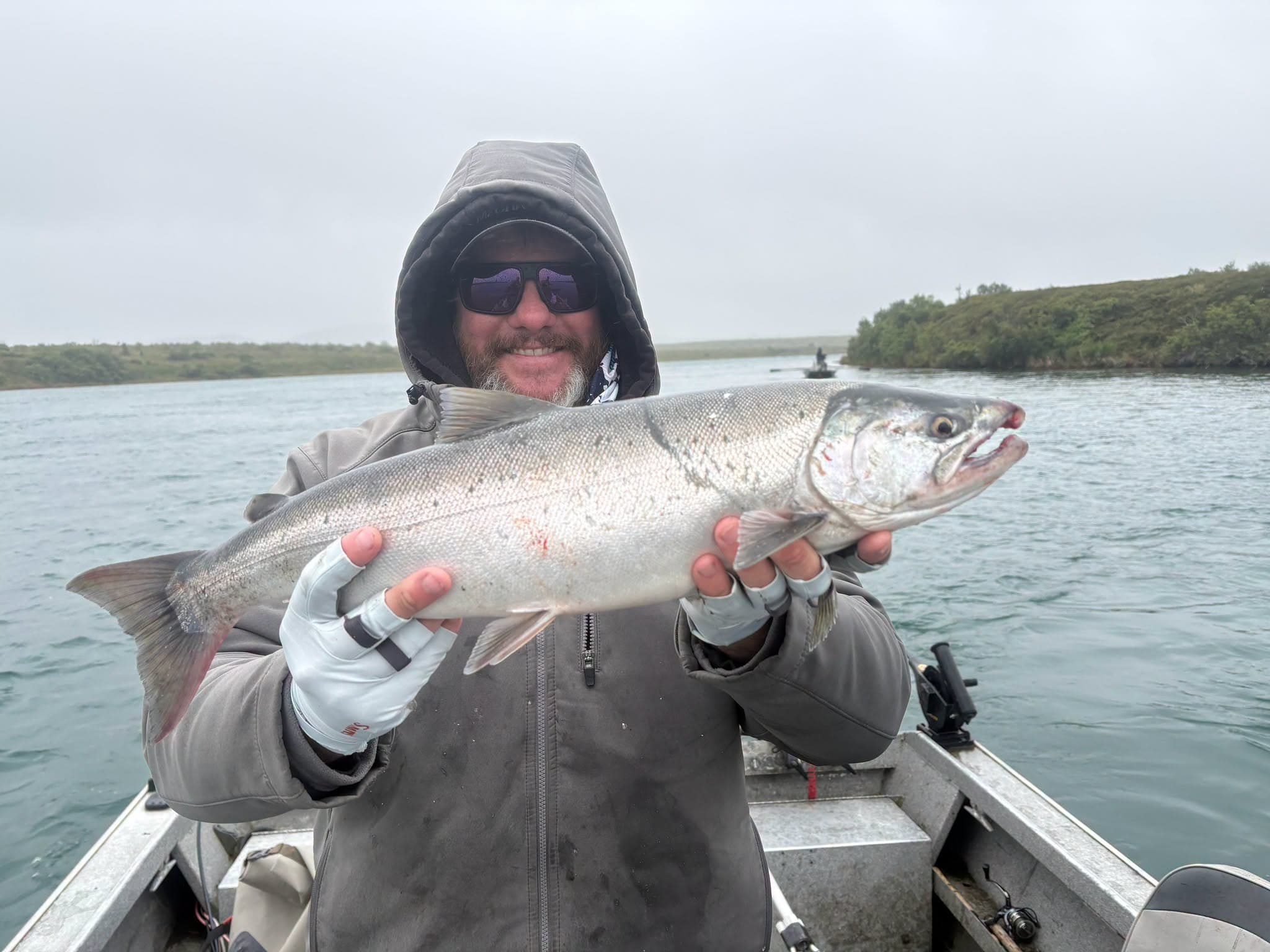
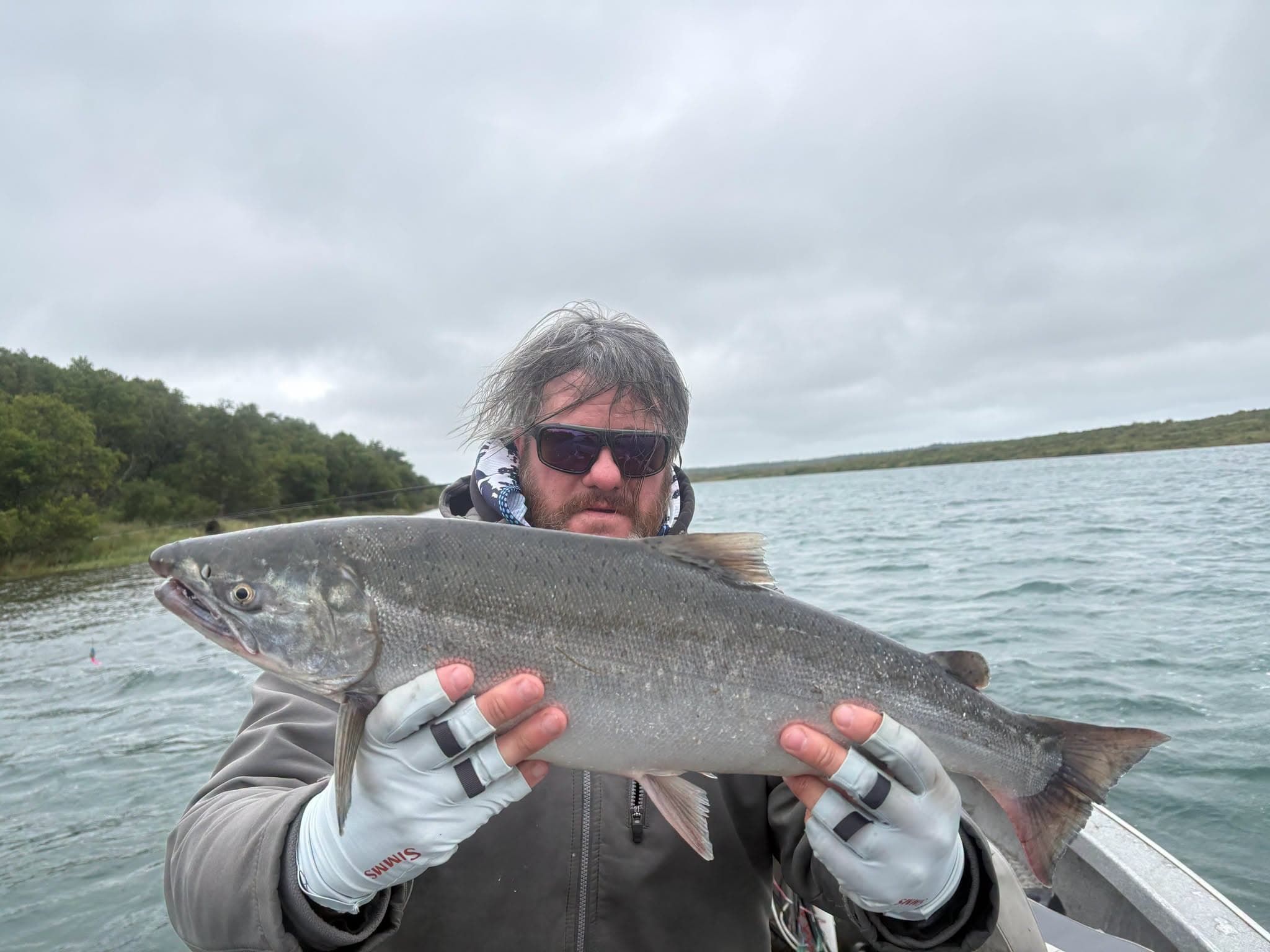
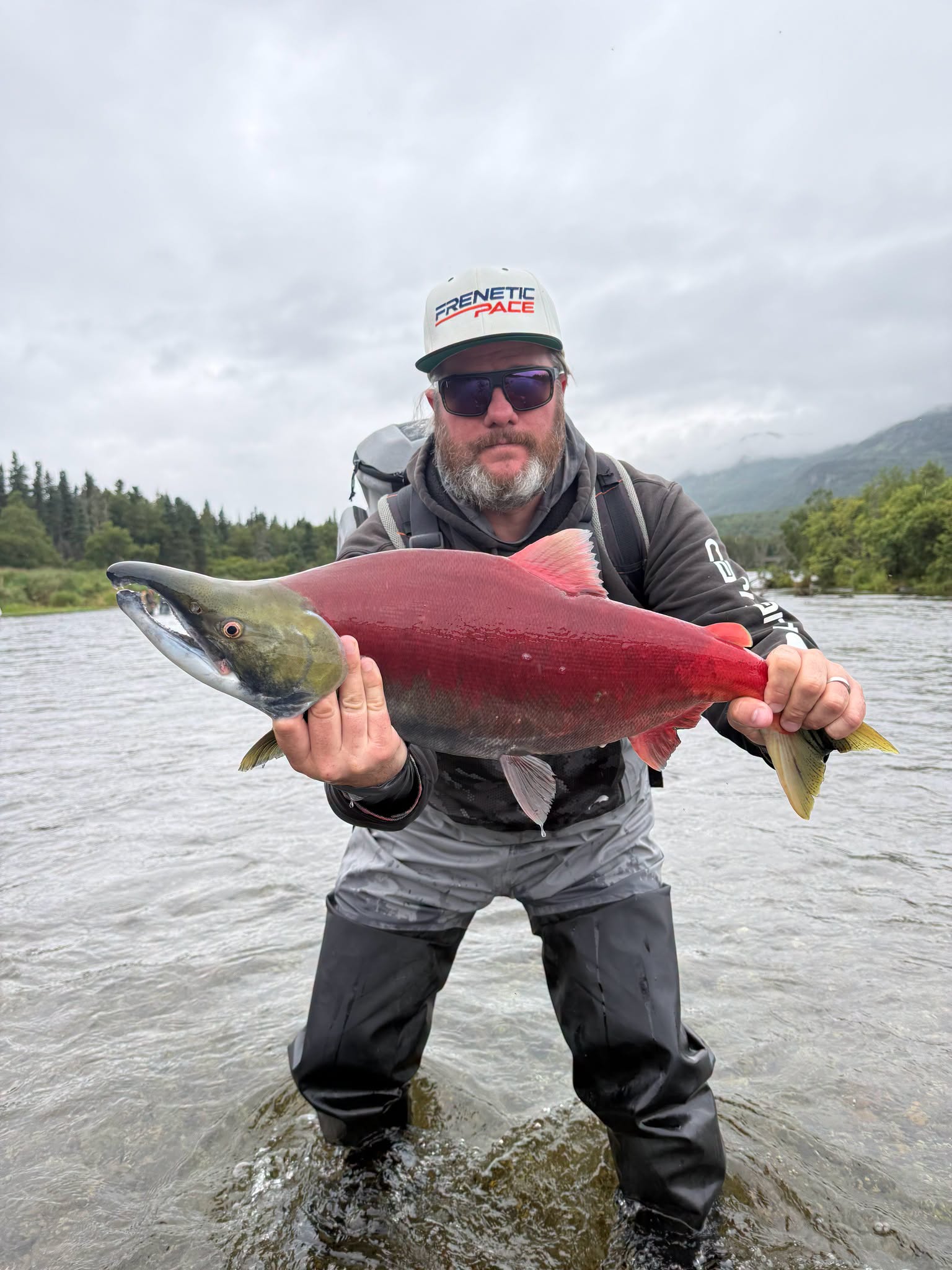
By the time he left, he had caught more than 200 fish, including King Salmon, Sockeye Salmon, Silver Salmon, Pink Salmon, Arctic Char, Dolly Varden, Rainbow Trout and Arctic Grayling.
But the fish were only part of the story.
During the trip, Stewart also saw an incredible variety of Alaska's wildlife. There were Bald Eagles soaring overhead, Brown Bears gathering around salmon-rich waters, an Arctic Fox moving through the wilderness, a Lynx and even a massive beaver estimated at 60 pounds.
He also traveled by boat and twice by float plane, flying into remote fishing locations that could never have been reached by road.
Much of the adventure took place in and around Katmai National Park and Preserve, one of the most spectacular wilderness areas in the United States and a place famous throughout the world for its salmon runs, volcanoes and enormous population of Brown Bears.
It was a fishing trip, but it was also a journey into one of the last great wild places on Earth.
The Journey to King Salmon
The trip started thousands of miles away from the rivers where Stewart would eventually cast his line.
He flew from Detroit to Seattle, then from Seattle to Anchorage before making the final journey to King Salmon.
That progression westward is more than just a series of flights. With each leg of the journey, civilization becomes less prominent and the wilderness becomes more dominant.
King Salmon sits on the Alaska Peninsula and serves as an important gateway to Katmai National Park and Preserve, as well as the incredible fishing and wildlife country surrounding Bristol Bay.
For someone traveling to Alaska specifically to fish, the location is almost ideal.
The region is famous for its salmon, and those salmon are far more than just a prized catch. They are the foundation of an entire ecosystem.
Every summer, enormous numbers of Pacific salmon return from the ocean to the freshwater rivers and streams where they were born. Their migration feeds bears, eagles, trout, char and countless other animals.
It is a natural cycle that has been taking place for thousands of years.
Stewart was about to experience that cycle firsthand.
Seven Days on the Naknek River
For the duration of his stay, Stewart was based at Naknek Lodge on the Naknek River.
The Naknek is part of a remarkable water system connecting the enormous Naknek Lake drainage to Bristol Bay and eventually the ocean.
Naknek Lake itself is one of Alaska's largest lakes, covering approximately 609 square kilometers. It is the third-largest lake in Alaska and the largest lake within the National Park System.
Standing along its shores gives you an immediate appreciation for the scale of Alaska.
The word "lake" almost seems inadequate.
The water stretches toward distant horizons, surrounded by an enormous landscape of forests, tundra and mountains. Rivers and streams feed into the system, and salmon travel through these waterways on their annual migration.
For a fisherman, this is where the adventure begins.
Stewart spent the week moving through this incredible network of rivers, lakes and streams, chasing fish and experiencing the remarkable wildlife that depends on them.
And the fishing did not disappoint.
More Than 200 Fish
By the end of the seven days, Stewart had caught more than 200 fish.
The sheer number would have been remarkable by itself, but what made the experience especially impressive was the variety.
He caught:
- King Salmon
- Sockeye Salmon
- Silver Salmon
- Pink Salmon
- Arctic Char
- Dolly Varden
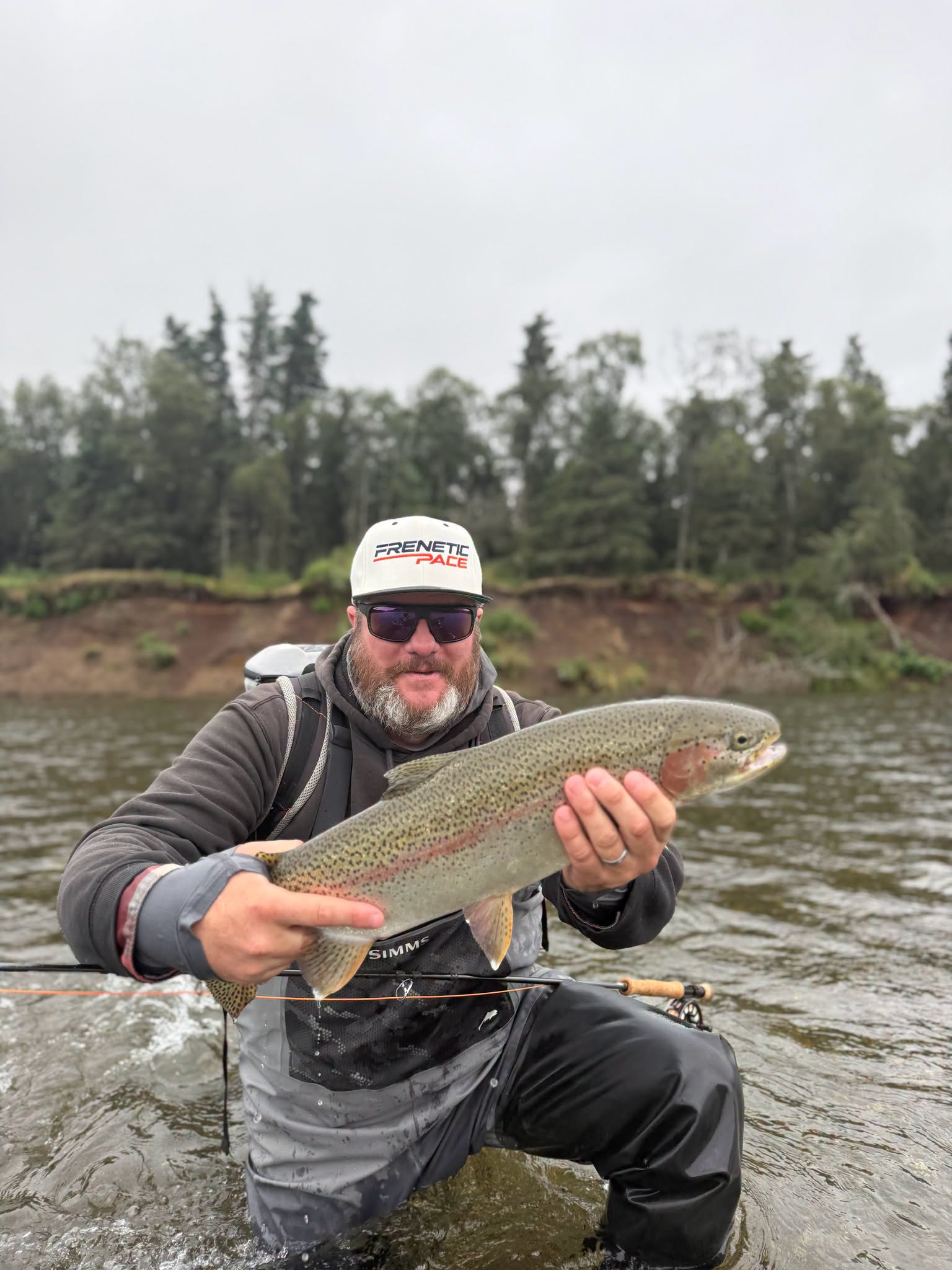
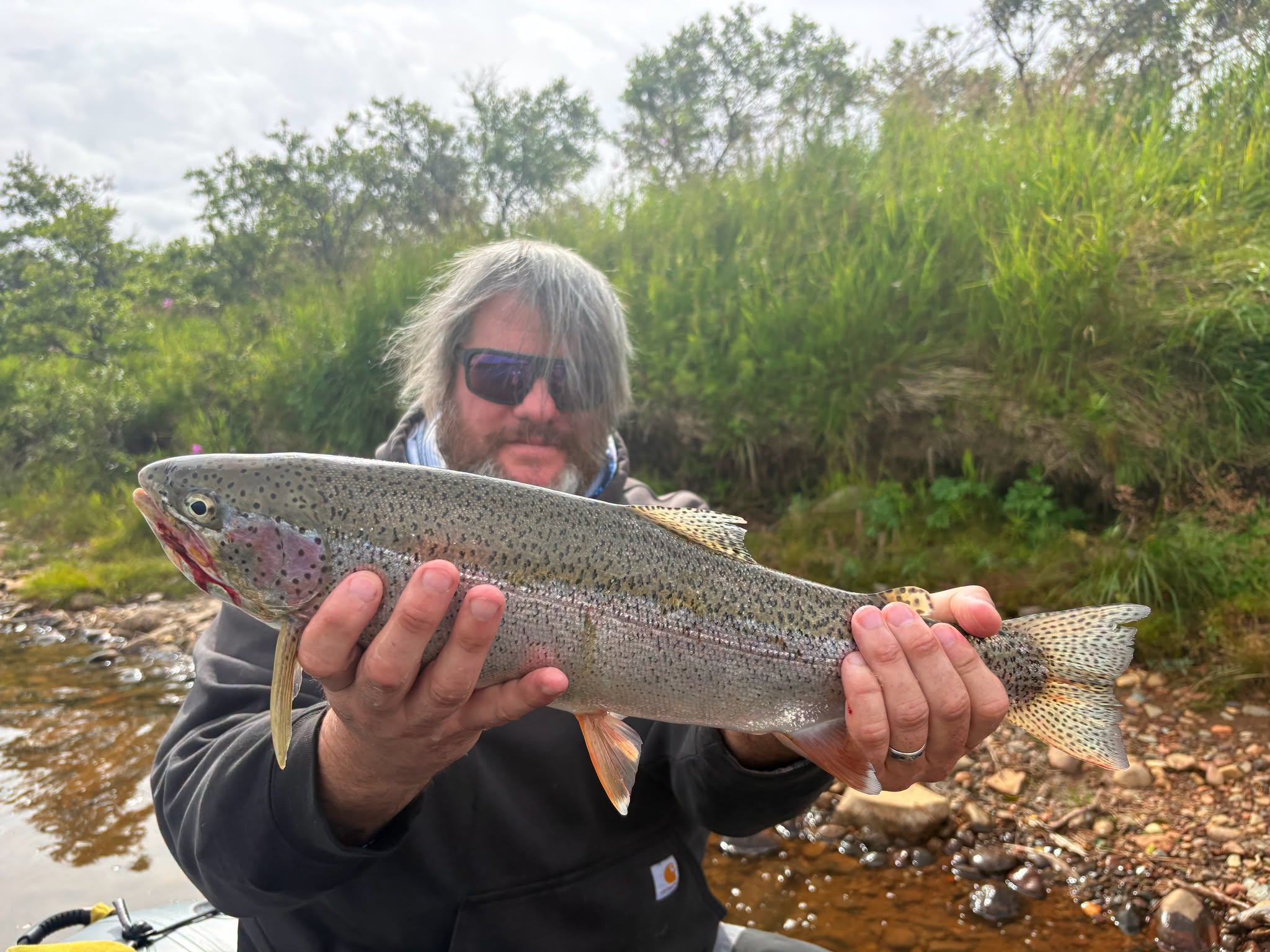
- Rainbow Trout
- Arctic Grayling
Each species offered something different.
King Salmon
The King Salmon, or Chinook, is the largest of Alaska's Pacific salmon species.
They are powerful fish capable of making long, hard runs when hooked, which is why they have earned their reputation as the king of Alaska's salmon.
Catching one is a memorable experience for any angler.
Doing it in the remote waters of Alaska, surrounded by the wilderness that has supported these fish for thousands of years, makes the experience even more special.
Sockeye Salmon
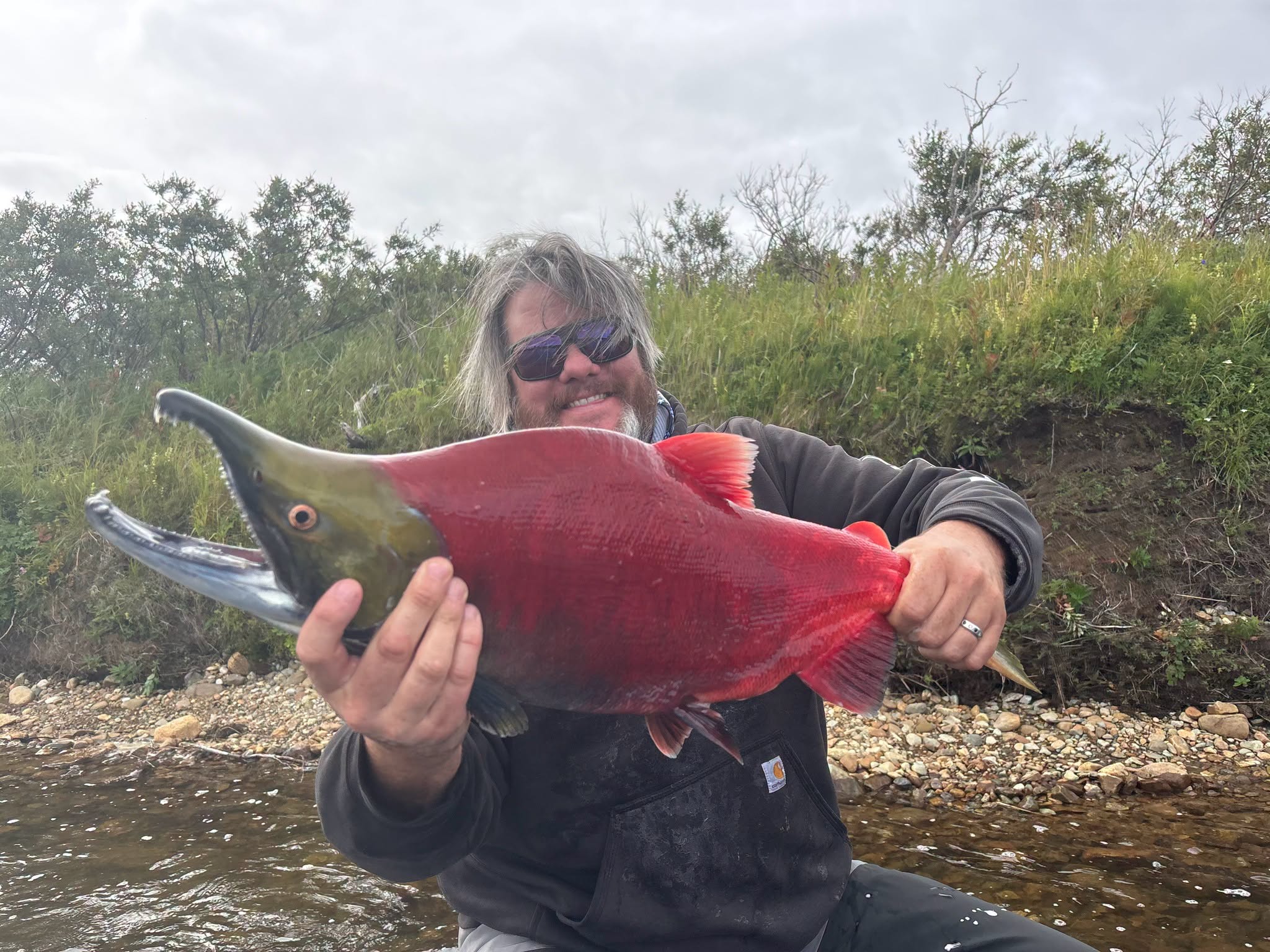
Sockeye Salmon are among the most important fish in the Bristol Bay ecosystem.
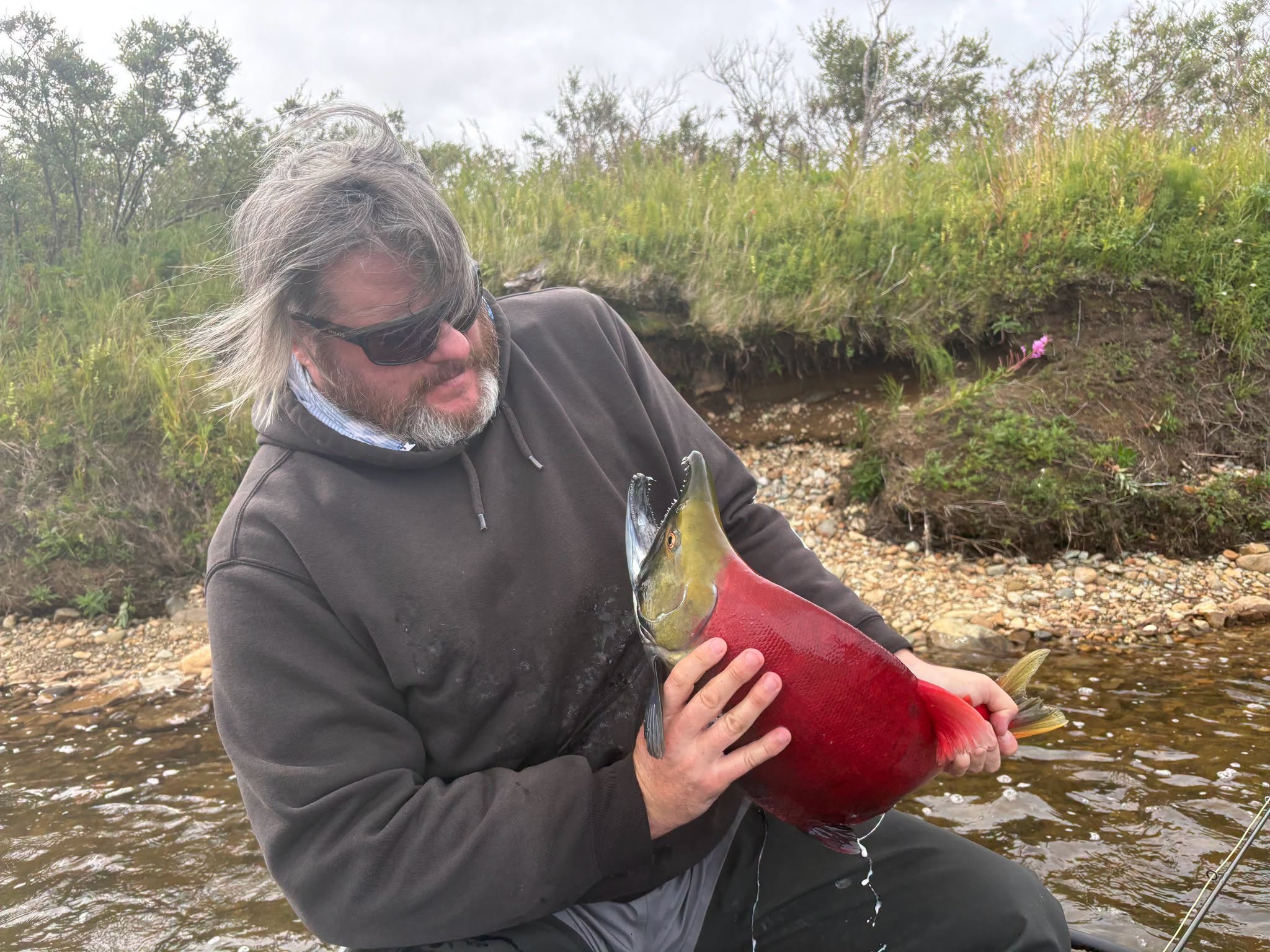
They are famous for their extraordinary migration and for the dramatic physical transformation they undergo as they return from the ocean to their spawning grounds.
In the ocean, sockeye have a silvery appearance. As they move into freshwater, their bodies become brilliantly red while their heads develop a greenish coloration.
But the most remarkable thing about sockeye may be their numbers.
The Bristol Bay region supports some of the world's greatest wild sockeye salmon runs, and those fish provide the foundation for the entire food chain.
Silver Salmon
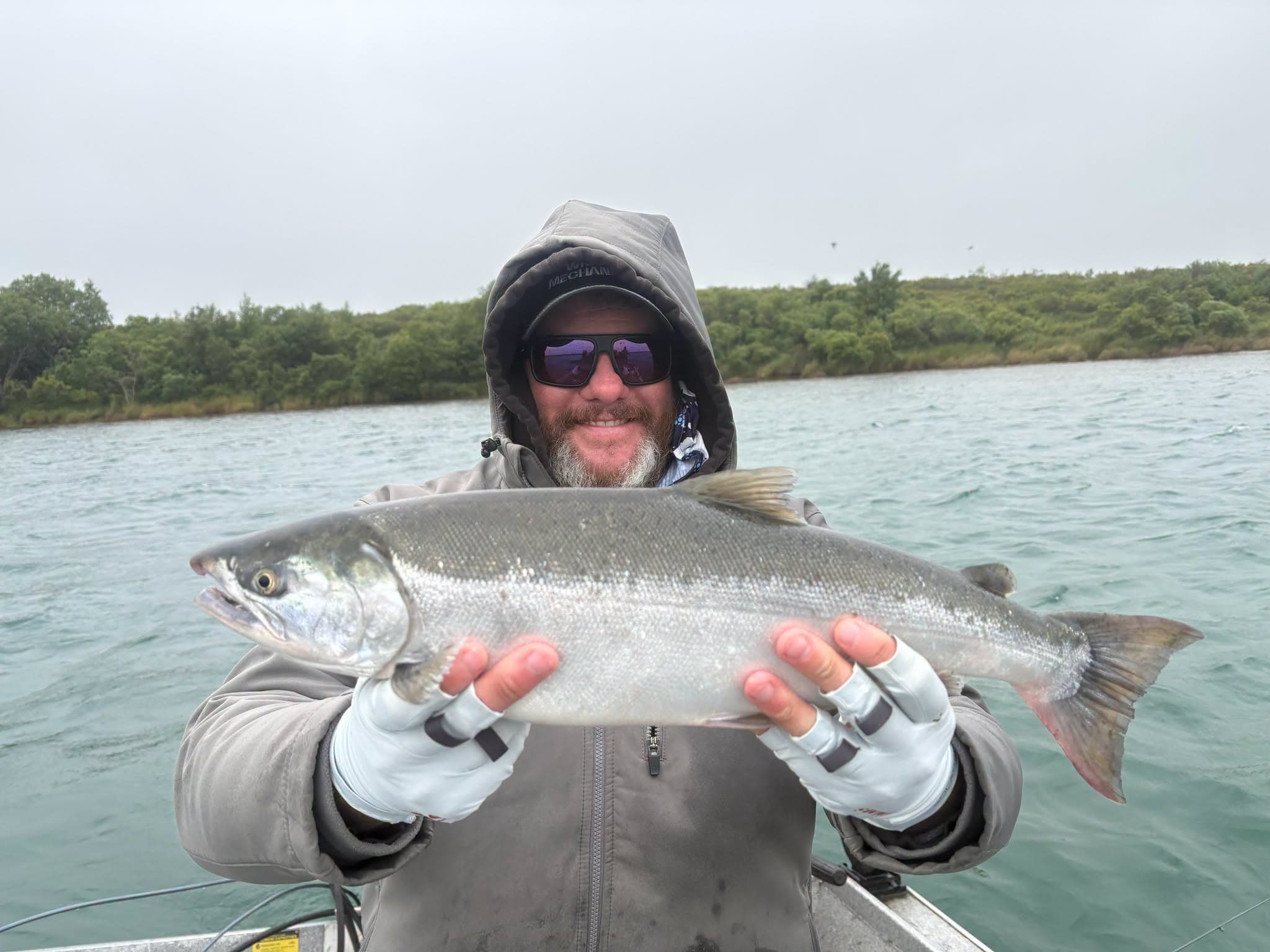
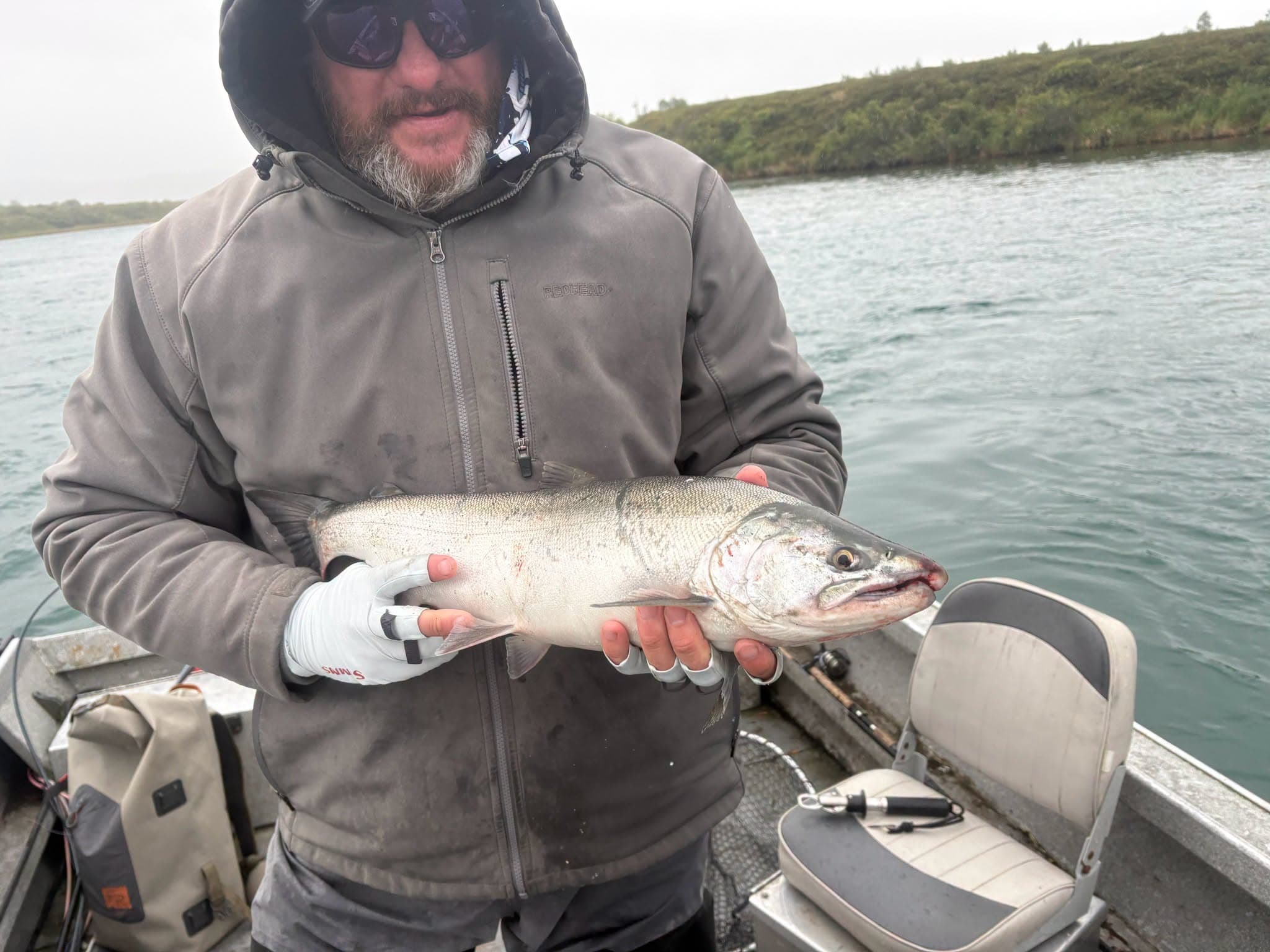
Silver Salmon, also known as coho, are another favorite among Alaska anglers.
They are aggressive, powerful fish that can put up a tremendous fight.
For a fisherman, hooking into a silver can mean an immediate burst of action.
Pink Salmon
Pink Salmon are the smallest of Alaska's Pacific salmon, but they make up for their size with sheer abundance.
They are an essential part of the ecosystem and provide an important food source for larger fish, birds, bears and other wildlife.
Catching pink salmon gave Stewart another opportunity to experience the incredible diversity of Alaska's salmon fishery.
The Trout, Char and Grayling
The trip wasn't all about salmon.
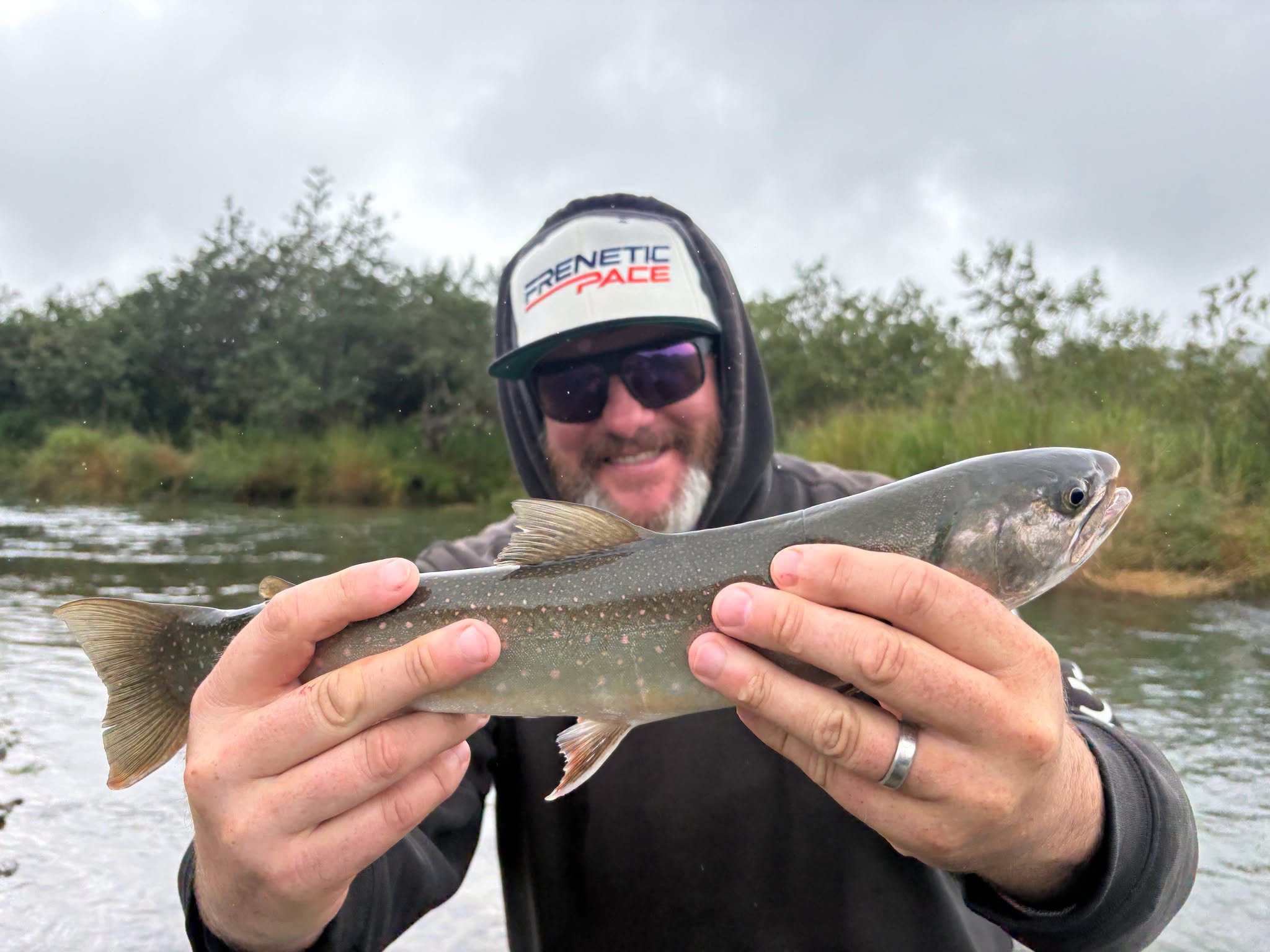
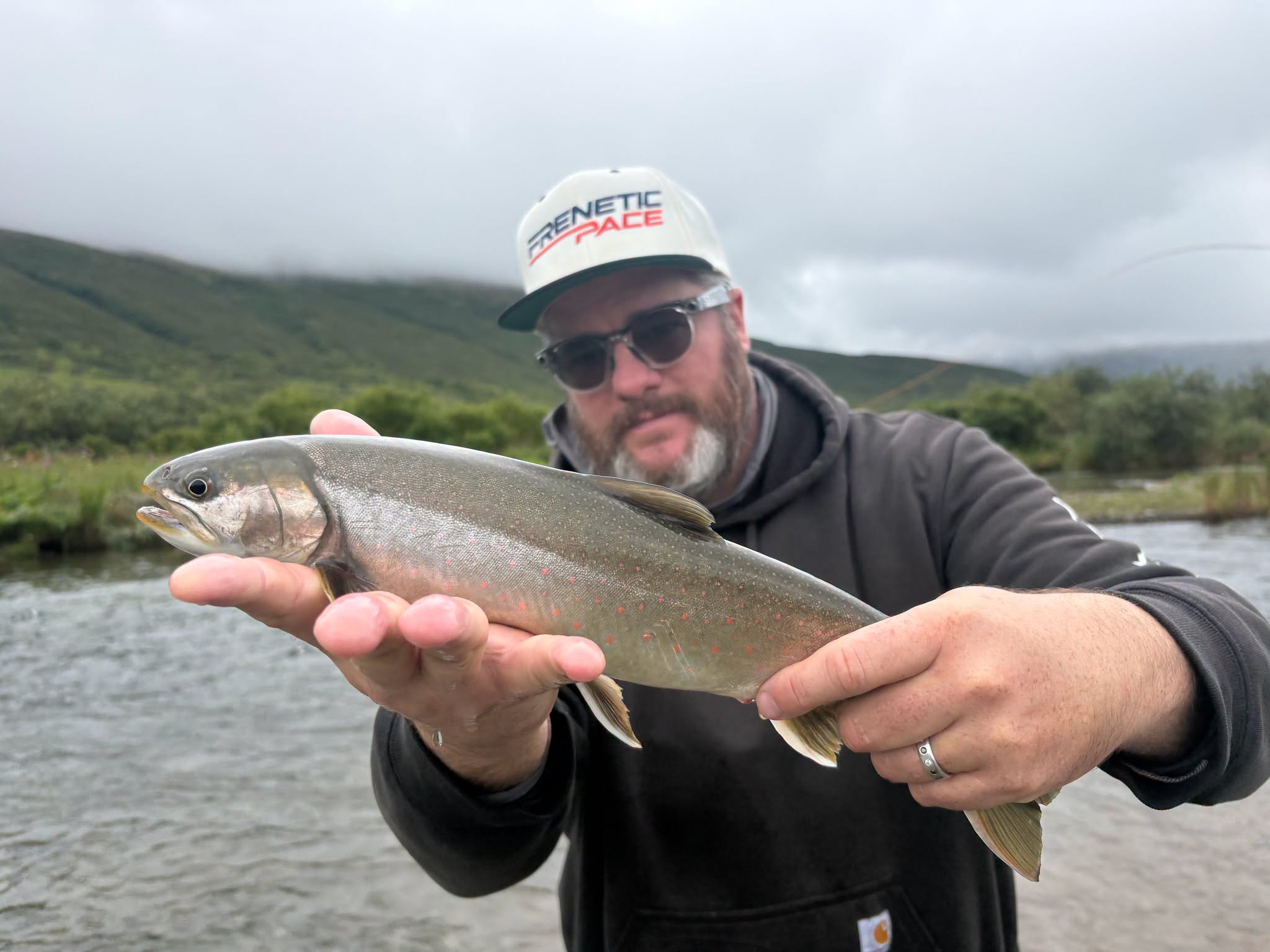
Stewart also caught Arctic Char, Dolly Varden, Rainbow Trout and Arctic Grayling.
Rainbow Trout are among Alaska's most famous freshwater sport fish. The abundance of salmon creates an extraordinary food source for trout, allowing them to thrive in these waters.
Dolly Varden are members of the char family and are known for their striking coloration.
Arctic Char are another fascinating member of the same general family of cold-water fish, perfectly adapted to the northern environments where they live.
Then there is the Arctic Grayling.
Grayling may be one of the most beautiful freshwater fish in Alaska. Their enormous sail-like dorsal fins make them instantly recognizable, and their bodies can display striking colors.
For Stewart, catching all of these different species made the week much more than a traditional salmon-fishing trip.
It was a complete Alaskan fishing experience.
A Boat Ride to Brooks
One of the most famous destinations Stewart visited was Brooks.
Rather than flying there, he traveled by boat across Naknek Lake.
Brooks Camp is located on the shore of Naknek Lake at the mouth of the Brooks River in Katmai National Park and Preserve.
Today, the area is famous worldwide for its Brown Bears.
But Brooks has a history that stretches back thousands of years.
People have used the Brooks River area for more than 5,000 years, taking advantage of the abundant fish and wildlife. Long before modern visitors arrived, Indigenous peoples traveled through the area and relied on its natural resources.
The landscape itself has changed dramatically over time.
Naknek Lake and Brooks Lake were once connected as a much larger body of water. Changes in water levels and the surrounding landscape eventually helped create the Brooks River and the waterfall that would become famous around the world.
That waterfall is now known simply as Brooks Falls.
Brooks Falls: Salmon and Brown Bears
Brooks Falls is not particularly tall—only about six feet.
But to a migrating salmon, six feet can be a significant obstacle.
As salmon attempt to leap upstream, they become concentrated below the falls.
And where there are concentrated salmon, there are Brown Bears.
The bears know exactly when the salmon will arrive.
They wait in the river.
They stand along the banks.
They position themselves near the falls.
And when the fish leap, the bears try to intercept them.
It is one of the most extraordinary predator-and-prey spectacles in North America.
For Stewart, seeing the bears in their natural environment was a completely different experience from simply seeing wildlife in a zoo or watching it on television.
These were wild animals living according to their own seasonal rhythms.
The bears were there because the salmon were there.
And the salmon were there because this was the river where they had been returning for generations.
Thirty Bears at Moraine
If Brooks provided an unforgettable introduction to Alaska's famous Brown Bears, Moraine took the experience to another level.
Stewart flew by float plane to Moraine, where he saw approximately 30 bears.
The sight of 30 Brown Bears in one area is difficult to comprehend.
For many people, seeing a single wild bear is a rare event.
Here, Stewart was surrounded by an ecosystem capable of supporting dozens.
The bears were following the salmon runs, just as they have done for generations.
Moraine is part of the vast wilderness surrounding Katmai, where salmon-rich waterways create some of the most productive feeding grounds for Brown Bears anywhere in the world.
Standing there and watching dozens of bears move through the landscape gave Stewart a firsthand look at the relationship between Alaska's fish and wildlife.
The salmon support the bears.
The bears are part of the ecosystem.
And the entire landscape revolves around the seasonal migration of the fish.
Flying by Float Plane
Twice during the trip, Stewart traveled by float plane.
The aircraft was equipped with pontoons, allowing it to land directly on the water.
For someone accustomed to traveling by car, this is one of the things that makes remote Alaska so different.
There are no highways leading to many of these fishing locations.
There may not even be a road.
Instead, fishermen rely on boats and small aircraft to reach places that are separated from civilization by miles of wilderness.
One of Stewart's float-plane destinations was Cabins Creek, which flows into enormous Becharof Lake.
The flight itself became part of the adventure.
From the air, the landscape stretches almost endlessly—lakes, rivers, tundra, mountains and forests with little evidence of human development.
Then the plane descends toward the water.
The pontoons touch down.
And suddenly you are standing in a remote fishing location that few people will ever experience.
Becharof Lake
Cabins Creek flows into Becharof Lake, the second-largest lake in Alaska.
Becharof is enormous, covering approximately 290,000 acres.
The lake is roughly 35 miles long and can reach more than 15 miles across.
It is part of the Becharof National Wildlife Refuge, which lies adjacent to Katmai National Park and Preserve.
The lake and surrounding waters are enormously important to Alaska's salmon populations.
Becharof supports major sockeye salmon runs and provides habitat for numerous species of fish and wildlife.
The result is an ecosystem rich enough to support everything from salmon and trout to Brown Bears and Bald Eagles.
It was another spectacular setting for Stewart's fishing adventure.
A Bald Eagle, Arctic Fox, Lynx and a 60-Pound Beaver
The fish alone would have made the trip remarkable.
But the wildlife encounters continued throughout the week.
Stewart saw a Bald Eagle, one of the most iconic birds of the North American wilderness.
With fish moving through the rivers and lakes, Alaska provides an ideal environment for Bald Eagles. Seeing one during a fishing trip seemed almost fitting—the eagle was another predator benefiting from the same salmon-rich ecosystem.
He also saw an Arctic Fox.
These remarkable animals are perfectly adapted to the harsh northern environment, with thick fur and physical characteristics that allow them to survive in extreme conditions.
Then came another unexpected sighting: a Lynx.
Lynx are elusive animals, and seeing one in the wild is a special experience. Their solitary nature and ability to blend into the surrounding landscape make them difficult to spot.
And then there was the beaver.
Not just an ordinary beaver, but a huge 60-pound beaver.
For Stewart, it was another surprising wildlife encounter in a week that seemed to produce something new around every corner.
Taken together, the sightings created an extraordinary wildlife checklist: Brown Bears, Bald Eagles, an Arctic Fox, a Lynx and a giant beaver—all encountered during a fishing trip.
A Landscape Shaped by Fire and Ice
Much of the adventure took place in and around Katmai National Park and Preserve.
Katmai is famous not only for its wildlife but also for its extraordinary geological history.
The park's story changed dramatically in 1912 when Novarupta erupted in one of the largest volcanic eruptions in recorded history.
The eruption transformed the landscape and created the Valley of Ten Thousand Smokes, a vast area of volcanic deposits and steaming fumaroles that remains one of the park's most remarkable geological features.
But fire wasn't the only force responsible for shaping Katmai.
Ice played an equally important role.
Glaciers carved valleys, moved enormous amounts of rock and sediment, shaped lakes and helped create the waterways that now support Alaska's salmon.
The result is a landscape shaped by forces that operated long before humans arrived.
- Volcanoes
- Glaciers
- Rivers
- Lakes
- Ocean
- And wildlife
Today, all of those forces come together to create one of the world's great wilderness ecosystems.
The Salmon-Bear Connection
One of the most fascinating things about fishing in this part of Alaska is realizing how connected everything is.
The salmon begin their lives in freshwater.
They migrate to the ocean.
They grow.
And then they return to the same general waters where their journey began.
When they return, they become food for almost everything around them.
Brown Bears catch them.
Bald Eagles feed on them.
Trout and char take advantage of their eggs and young.
Other wildlife benefits from the nutrients brought into the rivers from the ocean.
Eventually, the salmon die after spawning, returning those nutrients to the freshwater environment.
It is an enormous natural cycle.
And Stewart was fishing right in the middle of it.
More Than 200 Fish in Seven Days
By the time the adventure came to an end, Stewart had caught more than 200 fish.
That number alone tells a remarkable story.
But the variety makes it even more impressive.
- King Salmon
- Sockeye Salmon
- Silver Salmon
- Pink Salmon
- Arctic Char
- Dolly Varden
- Rainbow Trout
- Arctic Grayling
Eight different types of fish during one seven-day adventure.
And between the fishing trips, there were the wildlife encounters.
- Brown Bears
- Thirty bears at Moraine
- A Bald Eagle
- An Arctic Fox
- A Lynx
- A 60-pound beaver
It was an extraordinary combination of fishing and wildlife viewing.
The Journey Home
Eventually, even an adventure like this has to end.
After seven days in the wilderness, Stewart returned to King Salmon and began the journey back through Anchorage and Seattle before finally making his way home to Detroit.
But the memories of a trip like this don't disappear when the plane lands.
They come back in stories.
They come back in photographs.
They come back every time the fishing rods are taken out.
And they come back when someone asks, "What's the best fishing trip you've ever taken?"
For Stewart, Alaska will be a difficult one to beat.
It wasn't simply about catching 200-plus fish.
It was about where those fish were caught.
It was about traveling by boat across enormous lakes and flying by float plane into remote streams.
It was about standing in the middle of Katmai's wilderness.
It was about watching Brown Bears follow the salmon.
It was about seeing approximately 30 bears at Moraine.
It was about a Bald Eagle overhead, an Arctic Fox in the wilderness, a Lynx disappearing into the landscape and a 60-pound beaver that would be difficult to believe without seeing it firsthand.
And it was about experiencing a part of Alaska that remains remarkably wild.
An Adventure That Will Be Hard to Top
Fishing trips are often measured in fish.
How many were caught?
How big were they?
What species were they?
By those standards, Stewart's Alaskan adventure was already an incredible success.
More than 200 fish.
Eight different species.
King Salmon, Sockeye, Silver Salmon, Pink Salmon, Arctic Char, Dolly Varden, Rainbow Trout and Arctic Grayling.
But the true measure of the trip is everything that surrounded those fish.
The Naknek River. Naknek Lake. Becharof Lake. Brooks. Cabins Creek. Moraine. Katmai National Park and Preserve. Float planes. Boats. Salmon-filled rivers. And an incredible cast of wildlife.
For seven days, Stewart was able to step away from the ordinary and immerse himself in one of the most remarkable natural environments on Earth.
He traveled thousands of miles from Detroit to reach it.
And once he arrived, Alaska delivered everything a fisherman could hope for—and considerably more.
More than 200 fish. Multiple species. Dozens of Brown Bears. And wildlife encounters that he will remember for the rest of his life.
It wasn't simply a fishing trip. It was an epic Alaska adventure.